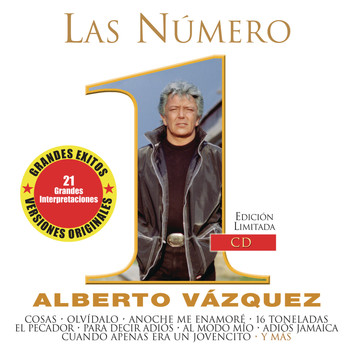
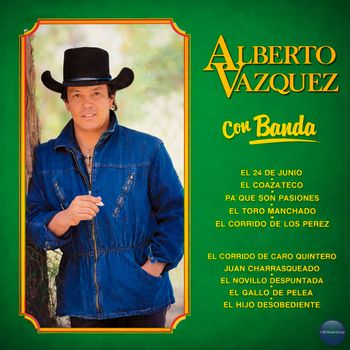
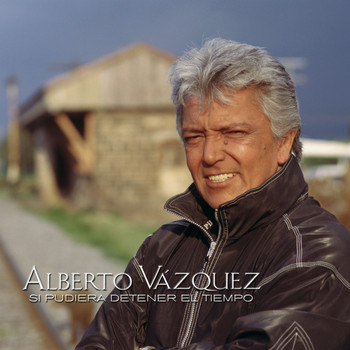
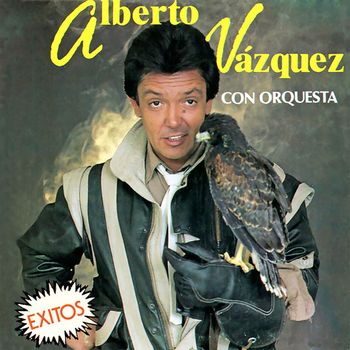
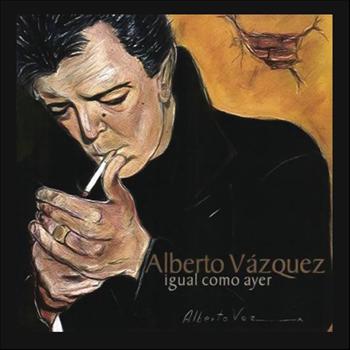
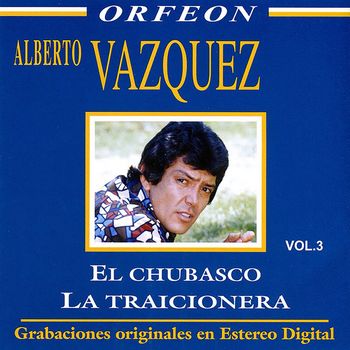
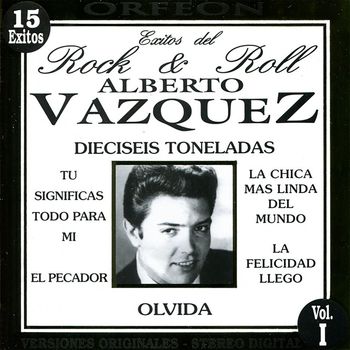
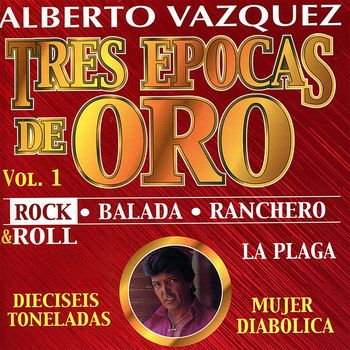
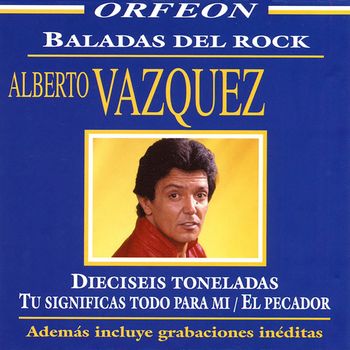
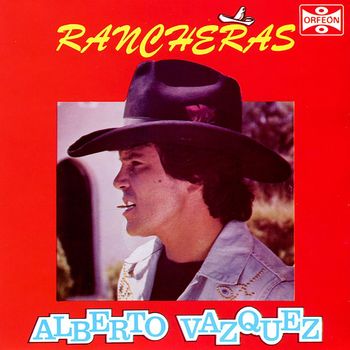
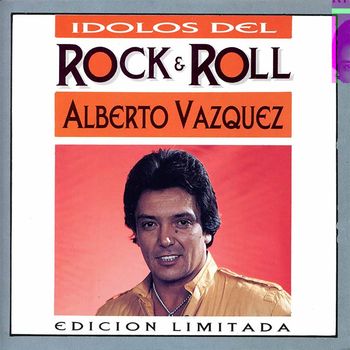
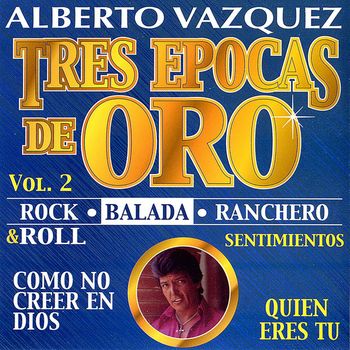
Alberto Vazquez occupies a prominent place among the most honored and commercially dominant figures in Mexican music. Although his reputation rests chiefly on masterful rancheras and corridos, his catalog of several hundred tracks also embraces pop, rock, disco, and easy listening selections. Dozens of recordings reached the charts, among them the singles “Ausente,” “Olvidalo,” “Pecador,” and “Rogaciano.” He further collaborated as a songwriter with José Alfredo Jiménez on “Ella” and “El Jinete.”
Born in 1940, Vazquez began performing at age six, influenced by the leading ranchera vocalists of the 1920s and 1930s. He received formal training in music and painting at the distinguished San Carlos academy and at Esmerelda.
Festival appearances formed an early part of his musical life. At seventeen he entered a Radiolandia-sponsored contest at Teatro Alameda, delivering “Sixteen Tons” and “Las Hojas Muertas” to claim first prize. The same year he boxed professionally and captured a Golden Gloves title at eighteen.
Rather than concentrating exclusively on university studies, Vazquez built a following through nightclub work in Mexico City. At twenty-one he obtained star billing at the storied Cadillac and Afro rooms and launched his recording career. With Memo Acosta Segura serving as artistic director and producer, he issued the single “El Pecador,” whose unexpected popularity created an overnight sensation. Its successor, “Perdóname Mi Vida,” repeated the triumph.
Covers constituted another significant portion of his output. While peers such as César Costa and Enrique Guzmán concentrated on major American hits, Vazquez turned to less mainstream sources, recording Spanish-language versions of Pat Boone’s “Happiness Came” and John Gary’s “Forget It,” both of which registered on Mexican charts.
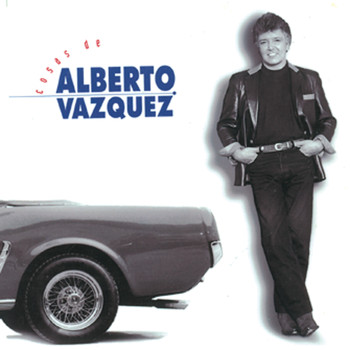
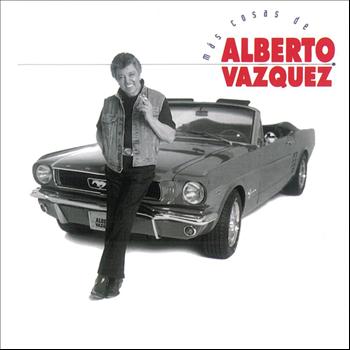
Commercial momentum continued unabated. Issued on an array of labels from Musart to Melody International to Epic, every album from 1962’s Ritmos Juveniles to 1994’s Cosas De entered the charts in Mexico and South America, sold in the millions, and supported extensive international touring.
Acting formed a parallel career. Vazquez made his screen debut in the 1962 film A Ritmo de Twist and went on to appear in more than twenty-five motion pictures, among them La Edad de la Violencia (1964), Me Quiero Casa (1967), Faltas a la Moral (1970), Caín, Abel y el Otro (1971), and Amor a Navaja Libre (1982). He also logged dozens of television appearances, including recurring roles across three telenovelas between 1973 and 2001.
In 2006 he received a Lifetime Achievement Award at the Latin Grammys. He remains active as a performer and continues to mentor younger artists.