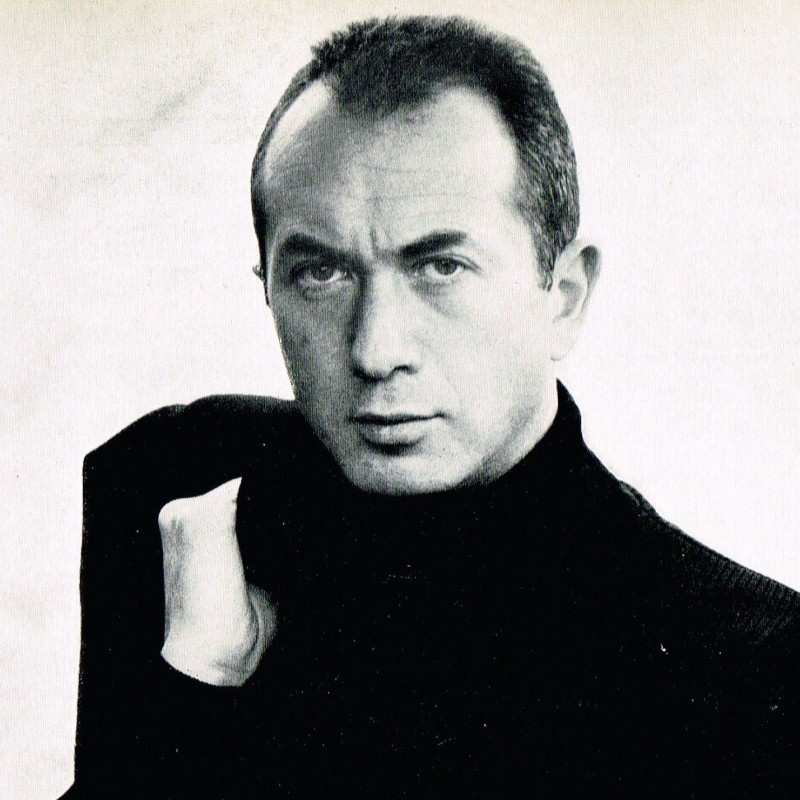
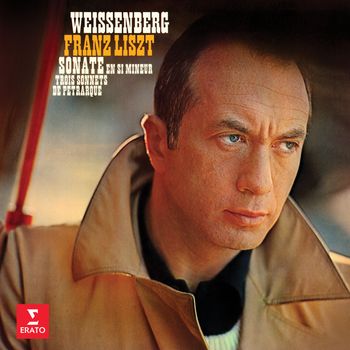
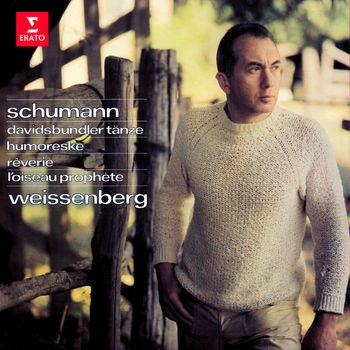
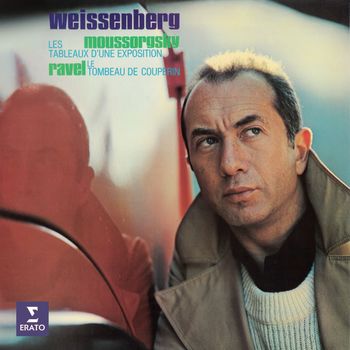
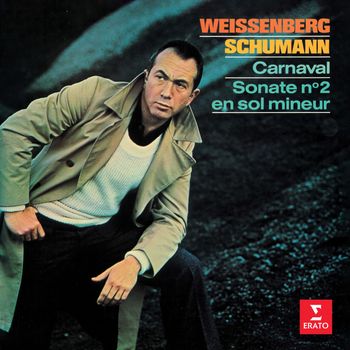
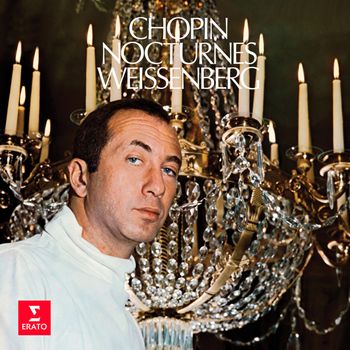
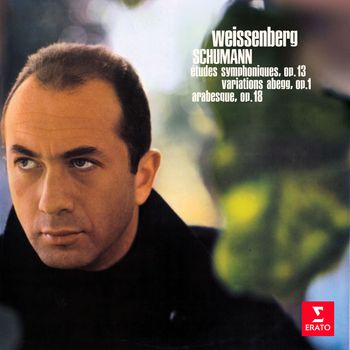
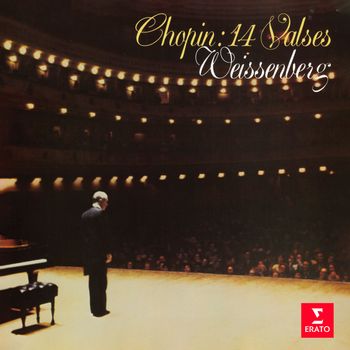
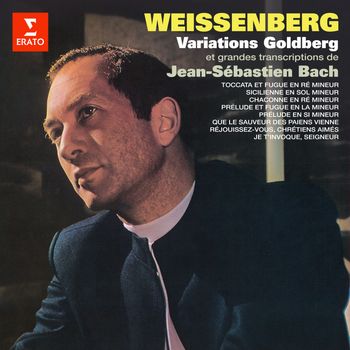
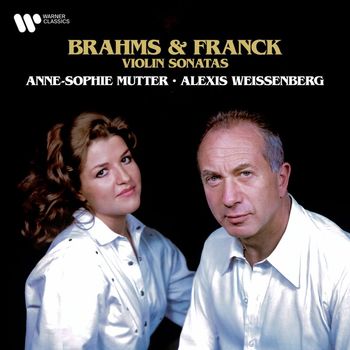
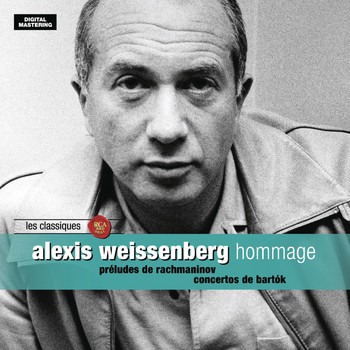
The life of the Bulgarian-American-French pianist Alexis Weissenberg would supply perfect material for a biographical feature film centered on a classical musician. Sofia was the city of his birth in 1929, and his earliest lessons came from his mother, whose relatives had trained at the Vienna Conservatory. Chamber-music sight-reading formed a daily routine in that household, as ordinary then as television viewing would later become for most children. A strict dentist served as his second teacher, after which Bulgaria’s leading composer and pedagogue, Pancho Vladigerov, took over instruction; at Vladigerov’s residence Weissenberg once listened to a performance by Dinu Lipatti.
He delivered his debut recital at age ten, presenting an original etude among other pieces. Not long afterward he and his mother tried to escape intensifying fascist persecution by slipping into Turkey, yet they were seized and confined to a concentration camp. Weissenberg later remembered that “only three elements remained constant: silence, singing, and crying.” An accordion presented by an aunt proved decisive; a German guard fond of music permitted him to play, and after three months the guard placed the pair on a train bound for Istanbul, tossing the instrument through an open window as they departed.
From Turkey they continued to Israel, where Weissenberg attended the Jerusalem Academy of Music and appeared with the Israel Philharmonic under Leonard Bernstein. After an outdoor concert he gave the accordion to a group of children, then sailed for the United States in 1946. At the Juilliard School of Music he worked with Olga Samaroff and occasionally with Artur Schnabel, while Vladimir Horowitz encouraged him to enter the Leventritt Award competition. Victory in 1947 opened his professional path; his American debut followed with the New York Philharmonic led by George Szell, after which he spent the next decade touring both the United States and Europe.
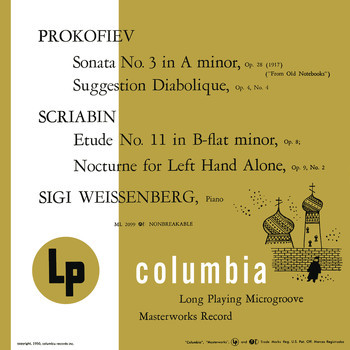
In 1956 he settled in Paris and eventually took French citizenship. Roughly from that point he withdrew from the stage for about ten years in order to rebuild his technical foundation. Chopin, Rachmaninov, and Prokofiev figured prominently in his programs, and the Bach Chromatic Fantasy and Fugue remained a recital staple. Recordings from the 1960s and 1970s continued to appear in EMI reissues well into the early 2000s, and he maintained an active career into advanced age.