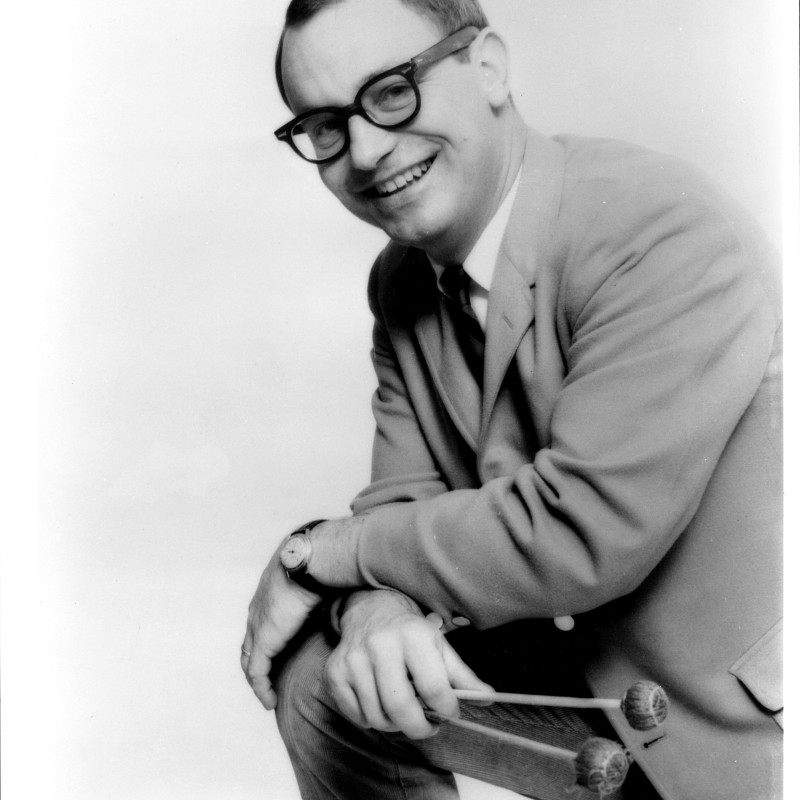

This Can't Be Love
2025

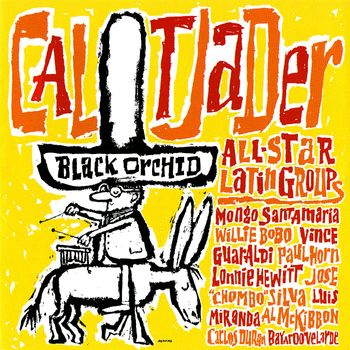
 Black OrchidHere And There · 1977Here And There9:07
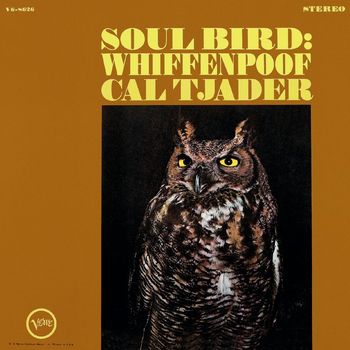 Samba de OrfeuSoul Bird: Whiffenpoof · 1966Soul Bird: Whiffenpoof2:00
 Invitation (Instrumental)Cal Tjader's Greatest Hits · 1995Cal Tjader's Greatest Hits4:12RezaHere And There · 1977Here And There6:29
 Linda ChicanaLa Onda Va Bien · 1979La Onda Va Bien5:19
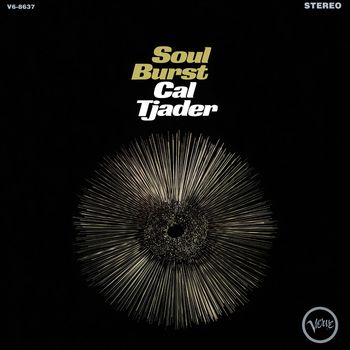 Soul Burst (Guajera)Soul Burst · 1966Soul Burst4:39CuracaoSoul Burst · 1966Soul Burst6:16
 PicadilloUltimate Cal Tjader · 1999Ultimate Cal Tjader7:04
 Se E Tarde, Me PerdoaPlays The Contemporary Music Of Mexico And Brazil · 1962Plays The Contemporary Music Of Mexico And Brazil2:51
 PoincianaBreeze From The East · 1964Breeze From The East3:27
 Soul SauceSoul Sauce · 1964Soul Sauce2:27Guajira En Azul (Album Version)Ultimate Cal Tjader · 1999Ultimate Cal Tjader3:26
 September SongLatin Kick · 2002Latin Kick3:01How High The MoonSoul Bird: Whiffenpoof · 1966Soul Bird: Whiffenpoof4:07
 Samba Do SuenoTalkin' Verve: Roots Of Acid Jazz · 1996Talkin' Verve: Roots Of Acid Jazz5:49Soul MotionSoul Bird: Whiffenpoof · 1966Soul Bird: Whiffenpoof3:08
 Souled OutThe Prophet · 1968The Prophet4:21Los JibarosTalkin' Verve: Roots Of Acid Jazz · 1996Talkin' Verve: Roots Of Acid Jazz2:43FujiTalkin' Verve: Roots Of Acid Jazz · 1996Talkin' Verve: Roots Of Acid Jazz2:32LeyteSoul Sauce · 1964Soul Sauce5:21
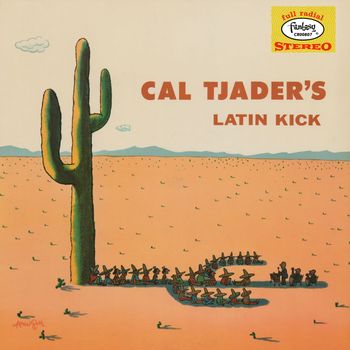


















Continue below to start listening.