Algerian-born singer, songwriter, and producer Étienne Daho has woven together surf-rock echoes from the West Coast, Velvet Underground-inspired urban storytelling, sleek synth-pop textures, and the wistful romanticism associated with Françoise Hardy. Since his 1986 album Pop Satori reached the French Top Five, he has maintained consistent gold and platinum status at home; he later claimed the top chart position with Corps et Armes in 2000. Over the years his collaborators have included Hardy herself, Astrud Gilberto, Chris Isaak, Jeanne Moreau, and Saint Etienne. Well into his fourth decade as a distinctive pop figure, he again entered the Top Five with consecutive releases: Les Chansons de l'Innocence Retrouvée in 2013 and Blitz in 2017.
Born in Oran on January 14, 1956, to a French soldier father and a chemist mother, Daho spent his early years under the care of grandparents who ran a combined bar and grocery store amid the Algerian War. Jukebox renditions of Sylvie Vartan and Françoise Hardy first sparked his ambition to sing. After his family relocated to Rennes in 1965, his listening expanded to encompass the Beatles and Rolling Stones, followed by the experimental leanings of David Bowie, Roxy Music, and the Velvet Underground. A 1966 trip to London ignited a lasting fascination with the city’s vibrant music community.
Back in Rennes he took a post as dormitory supervisor at the local university. On December 20, 1978, he booked a campus show featuring Stinky Toys and Marquis de Sade—an event that unexpectedly opened professional doors. Stinky Toys members Elli Medeiros and Jacno urged him to keep developing his songs and vocals, while guitarist Frank Darcel of Marquis de Sade offered guidance on the practical side of the music business. Daho made his live debut at the Transmusicales festival in June 1979, backed by Darcel and other Marquis de Sade players. After issuing the independent single “Cowboy,” he secured a contract with Virgin France; his 1980 debut album Mythomane, produced by Jacno and featuring musicians from Marquis de Sade, earned gold certification ten years after its release.
Club performances in Rennes alongside French singer Arnold Turboust gradually built his profile. Early singles “The Big Sleep” and “To Leave This Evening” received modest radio support, paving the way for the second album La Notte, la Notte and its track “Week-end à Rome.” Commercial breakthrough arrived with Pour Nos Vies Martiennes, certified gold on its June 1988 release day after exceeding 100,000 copies. The following year Live E.D. climbed to number 12 on the French album chart.
Pop Satori, his fourth studio set, featured the Top 40 singles “Epaule Tattoo” and “Duel au Soleil” and reached number five. He returned to the upper reaches of the chart in 1988 when Pour Nos Vies Martiennes peaked at number four. His sixth studio album, 1991’s Paris Ailleurs, paid homage to the Motown and Stax imprints; advance orders earned it gold status prior to release, and it achieved platinum certification by 1994. A 1995 cover of Édith Piaf’s “Mon Manège à Moi” appeared on the charts at the same time Saint Etienne topped the UK singles chart with their English-language version of “Week-end à Rome,” titled “He’s on the Phone.” The British group then joined Daho for the 1995 EP Reserection and the Top Ten album Eden issued the next year.
Recorded across London, Paris, and New York in 1999 and released in 2000, Corps et Armes became his highest-charting effort to that point, topping the French album list and reaching number three in Belgium. Réévolution followed in 2003 and also entered the Top Five. After moving to Capitol Records, he delivered L’Invitation in 2007, which rose to number two; three years later Le Condamné à Mort appeared, a nontraditional project in which iconic French actress Jeanne Moreau recited a Jean Genet poem set to music by Hélène Martin and augmented by Daho’s vocals. During this period he also maintained an active production career, working with artists such as Marianne Faithfull, Sylvie Vartan, and Lio.
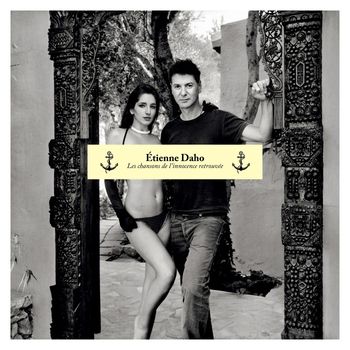
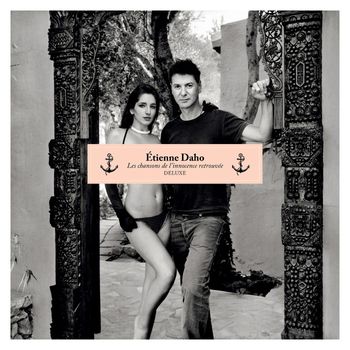
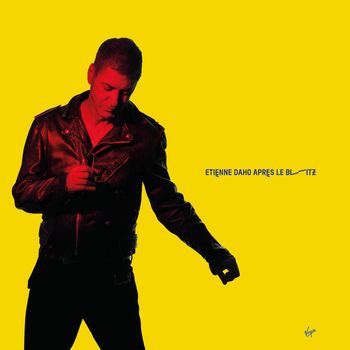
Les Chansons de l’Innocence Retrouvée arrived on Polydor in 2013 and returned him to the Top Three, featuring contributions from Nile Rodgers, Debbie Harry, and Brooklyn indie-pop trio Au Revoir Simone. His twelfth solo studio album, 2017’s Blitz, reached number four on the French chart and marked a reunion with a revived Virgin France. The covers collection Surf, Vols. 1 & 2 appeared on Parlophone in 2020.