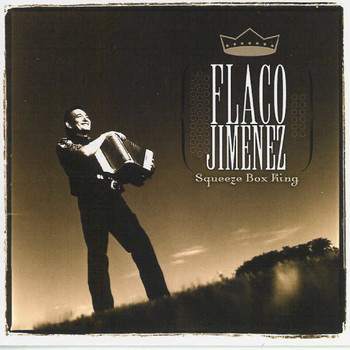
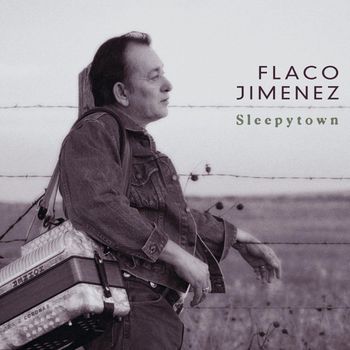
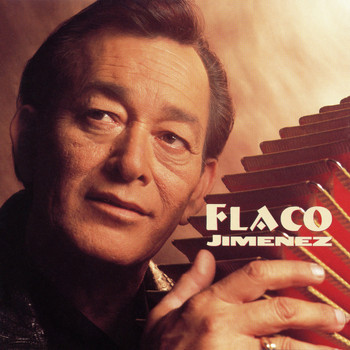
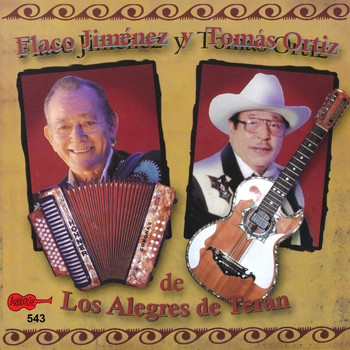
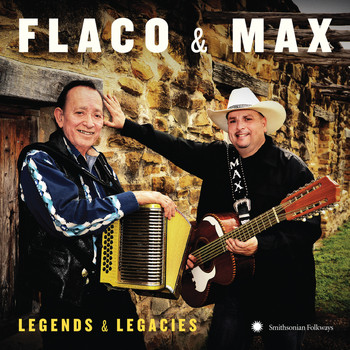
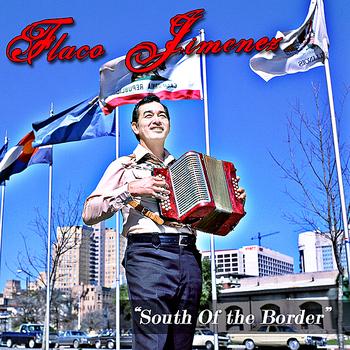
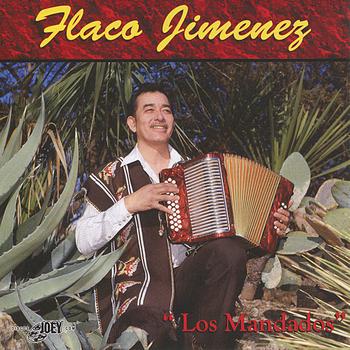
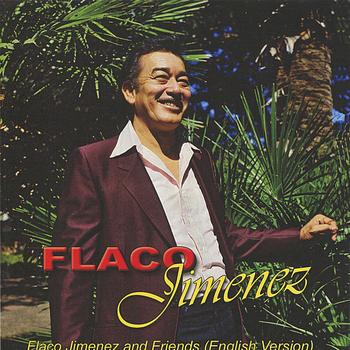
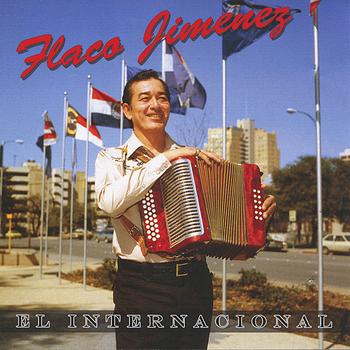
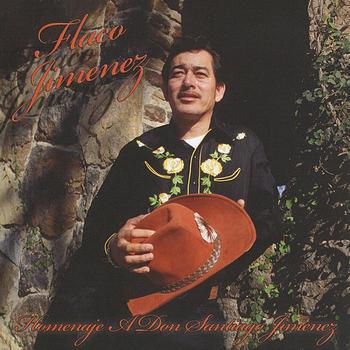
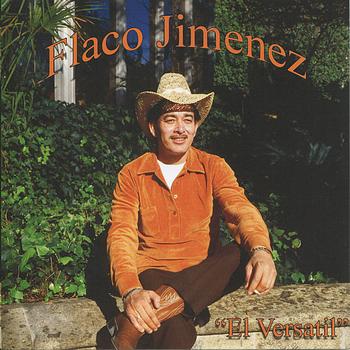
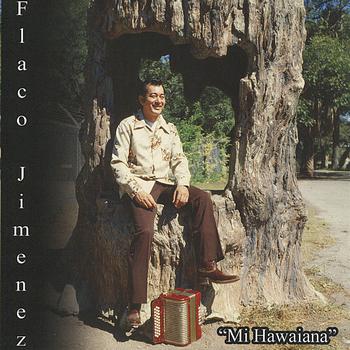
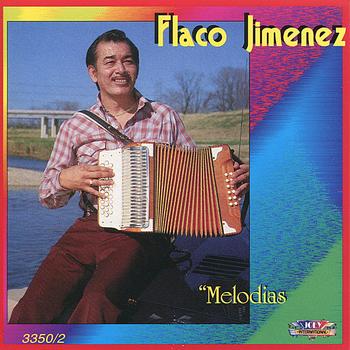
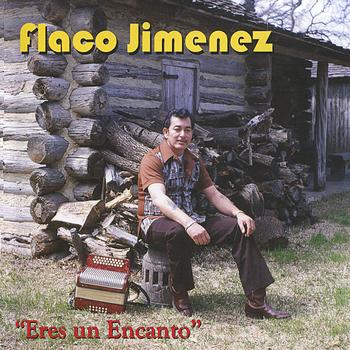
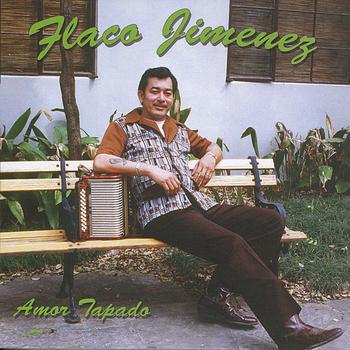
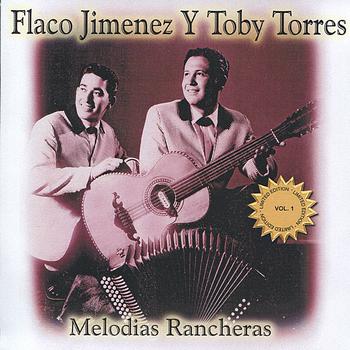
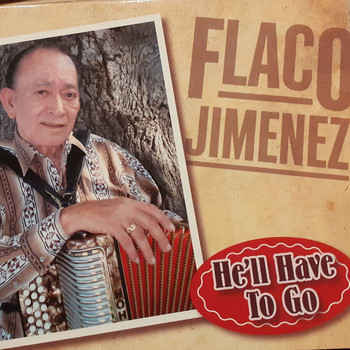
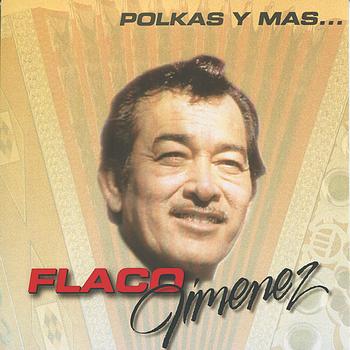
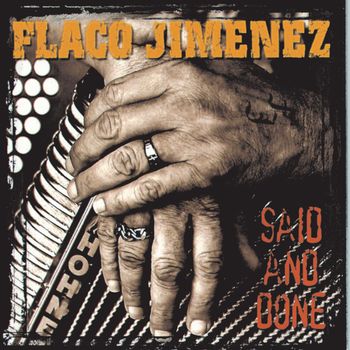
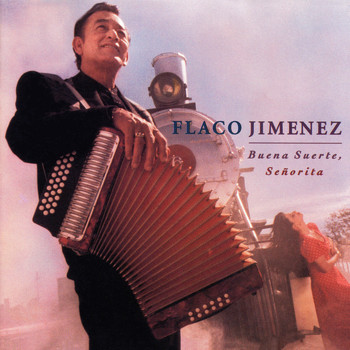
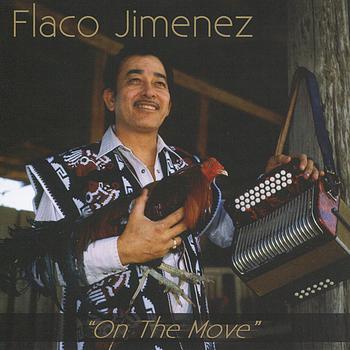
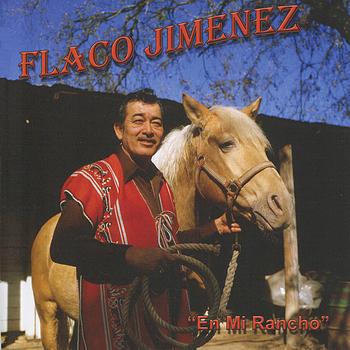
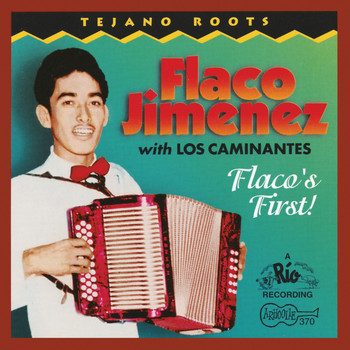
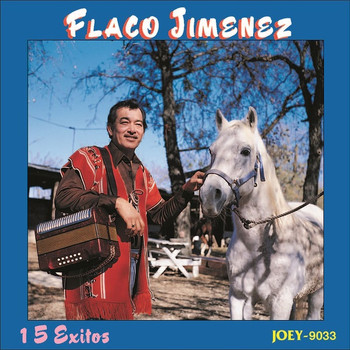
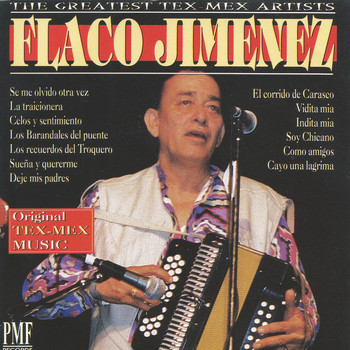
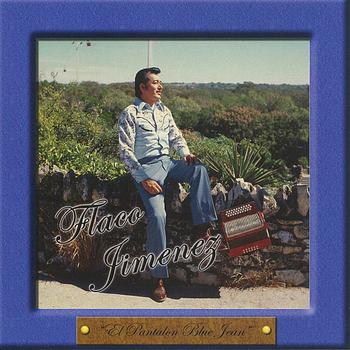
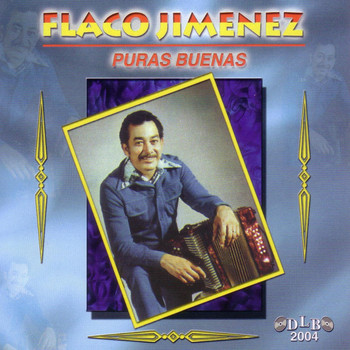
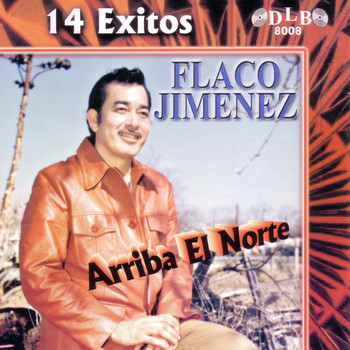
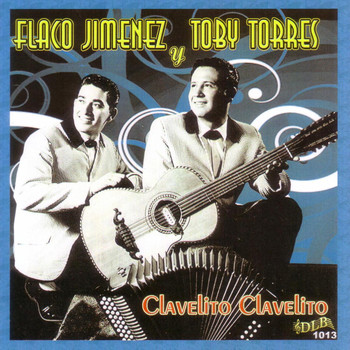
In the spheres of conjunto and Tejano music, few performers have earned the degree of critical praise accorded to Flaco Jimenéz across a six-decade career, and arguably none has brought the accordion-propelled Tex-Mex style before a wider public. While remaining true to his artistic approach, Jimenéz has carried the traditional conjunto idiom to mainstream pop and country audiences via partnerships with the Texas Tornados, Dwight Yoakam, and the Mavericks, and his contributions alongside Ry Cooder, Carlos Santana, Doug Sahm, and the Rolling Stones have earned admiration from exploratory rock listeners. Born in San Antonio, Texas, in 1939, Jimenéz grew up in a musical household; his grandfather Patricio Jimenéz played accordion in the polkas and waltz melodies that preceded conjunto, while his father, Santiago Jimenéz, Sr., helped shape Tex-Mex music by recording one of the earliest conjunto singles, “Dices Pescao” b/w “Dispensa el Arrempujon,” in 1936.
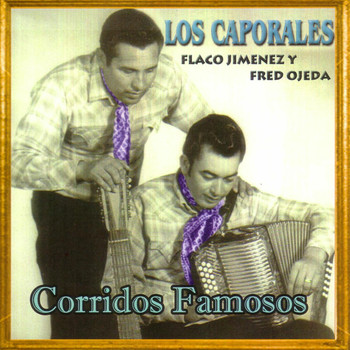
Jimenéz began on the bajo sexto, a Mexican twelve-string guitar variant, at age seven, yet once he gained enough skill to accompany his father onstage his focus shifted to the accordion, where he cultivated a buoyant, emotive technique shaped by zydeco master Clifton Chenier along with his father and other Tex-Mex contemporaries. At fifteen he assembled his first group, Los Caporales, which quickly built a substantial local following in San Antonio, issuing recordings for a regional label and securing a weekly slot on a local television variety program. By the early 1960s Jimenéz had become a Texas institution, performing in clubs throughout the Lone Star State and regularly packing San Antonio dancehalls with a blend of classic Tejano music and elements drawn from blues and country.
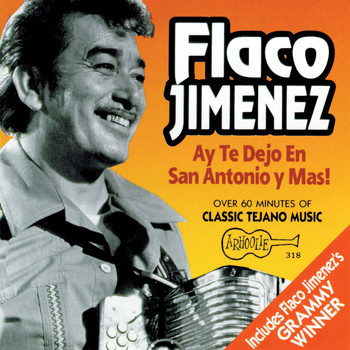
Doug Sahm, founder of the Sir Douglas Quintet and a fellow Texas innovator drawn to hybrid roots expressions, became a steadfast admirer; when Sahm tracked his debut solo album for Atlantic Records in 1973, he recruited Jimenéz for the sessions that also featured Bob Dylan and Dr. John, thereby granting the accordionist his first notable attention beyond the Tejano circuit. Ry Cooder enlisted Jimenéz for Chicken Skin Music in 1976, and the pioneering folk and roots imprint Arhoolie Records issued Flaco Jimenéz & His Conjunto in 1978, at last distributing his own recordings beyond the Southwest. Jimenéz maintained an active schedule of recording and touring that steadily expanded his reach nationwide and internationally; in 1988 Dwight Yoakam invited him to overdub accordion on a duet with Buck Owens. The resulting track, “Streets of Bakersfield,” rose to prominence on the country charts, and as Jimenéz joined Yoakam’s road shows he emerged as a breakout figure at forty-nine.
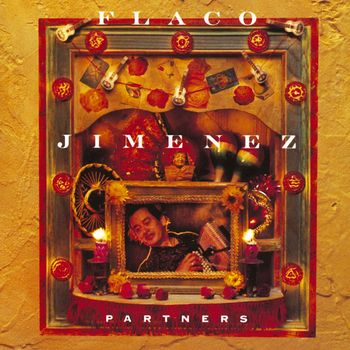
In 1989 Jimenéz reunited with longtime associate Doug Sahm for a new endeavor alongside country veteran Freddy Fender and fellow accordionist Augie Meyers, another of Sahm’s Sir Douglas Quintet colleagues; billed as the Texas Tornados, the ensemble secured a Reprise Records contract and charted with a re-recorded version of Meyers’s regional favorite “(Hey Baby) Que Paso.” A cut from the Texas Tornados’ first album, “Soy de San Luis,” received the Grammy for Best Mexican-American Performance of 1991, the initial entry in a string of five Grammys Jimenéz would collect before the decade closed. With his stature now firmly established, Jimenéz moved to Warner Bros. and delivered the 1992 solo album Partners, featuring appearances by Linda Ronstadt, Emmylou Harris, and Los Lobos. The Rolling Stones called on Jimenéz for an accordion solo on Voodoo Lounge in 1994, the same year he issued a self-titled solo collection for Arista, a roots-oriented effort that included vocals from Raul Malo of the Mavericks. One year later Jimenéz and Malo reconvened when Flaco supplied a spirited accordion line to the Mavericks’ “All You Ever Do Is Bring Me Down” from Music for All Occasions, once more placing his sound high on the country charts.
The Texas Tornados’ final studio album appeared in 1996, yet Jimenéz formed another supergroup in 1998, Los Super Seven, an assembly of leading Latin-American musicians that included members of Los Lobos together with Joe Ely. Since that time Jimenéz has sustained a demanding recording and touring regimen that would challenge performers half his age while serving as one of the foremost global emissaries of Tex-Mex music. The compilation The Complete Arista Recordings surfaced in late summer 2015, followed by a reissue of the independently released Con Sus Amigos the next year. In 2017 Jimenéz joined Los Cenzontles and Los Texmaniacs for the studio album Carta Jugada.