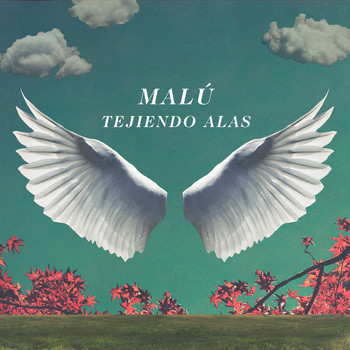
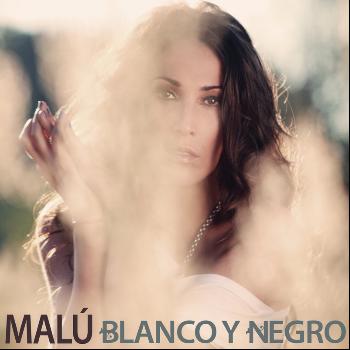
Malú stands as a platinum-certified Spanish pop artist whose chart dominance has turned her into a lasting cultural presence throughout Spain, Europe, and Latin America. Her career began in 1998 with the teenage release of the debut album Aprendiz, after which she maintained a record of multi-platinum sales and repeated Top Five placements. Videos accompanying the songs “Blanco y Negro” and “Invisible” have accumulated hundreds of millions of views, while singles such as the 2018 chart-topping “Invisible,” recorded as a duet with Alejandro Sanz, have consistently ranked high on streaming and sales lists. Her style fuses theatrical Spanish rock and pop, drawing both widespread audiences and high-profile collaborators that include David Bisbal, Pastora Soler, and Tony Bennett.
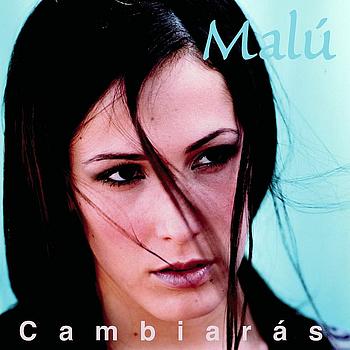
María Lucía Sánchez Benítez entered the world on March 12, 1982, in Madrid, Spain, as the daughter of flamenco singer and songwriter Pepe de Lucía and Spanish traditional singer Pepe Benítez; she is also the niece of legendary flamenco guitarist Paco de Lucía. Still in her teens, she issued Aprendiz in 1998 and worked with singer-songwriter Alejandro Sanz on several tracks, most notably the hit title song. The album climbed to the Top Ten and generated additional singles beyond that opening success. One year later came her follow-up, Cambiarás, which, though it missed the Top Ten, nevertheless produced its own collection of singles.
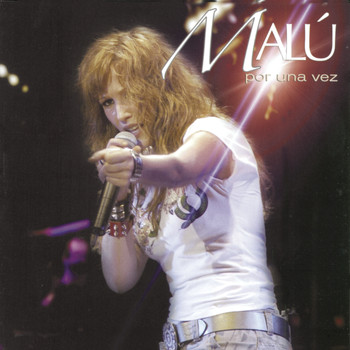
She regained momentum with the 2001 album Esta Vez, her first project without producer Jesús Yanes. Recorded in Miami under Estéfano, who had just finished Paulina Rubio’s commercial blockbuster Paulina, the record reached the Top Five on the Spanish albums chart and yielded five singles, all but one written by Estéfano. Otra Piel, issued in 2003 and produced in tandem with Kiko Campos, again landed inside the Top Ten. The live set Por una Vez followed in 2004; captured in Madrid, it features guest spots from Alejandro Sanz, Antonio Orozco, and Paco de Lucía.
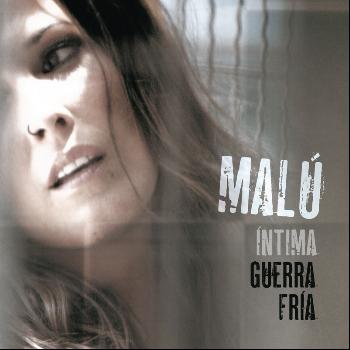
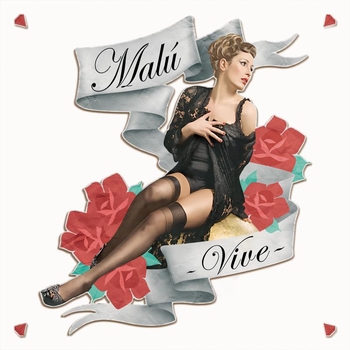
Mid-decade found Malú partnering with producers Mauri Stern and Graeme Pleeth on the 2005 album Malú and 2006’s Desafío. A greatest-hits collection titled Gracias appeared in 2007, after which she stepped away briefly. Her return arrived with 2009’s Vive, a set of full-throttle rock tracks again helmed by Stern. That same year she issued the limited-edition Malu by Yo Dona before closing 2010 with the studio album Guerra Fría. The release claimed the number-one position and remained on the Spanish chart for an uninterrupted 80 weeks spanning 2011 and much of 2012. An intimate concert filmed at La Casona in Mexico City, spotlighting material from Guerra Fría, was released in 2011 as the audio-video package Íntima Guerra Fría.
Dual surfaced in 2012, gathering earlier duet successes alongside six new recordings that feature Alejandro Sanz, Rocio Jurado, Pablo Alboran, and Miguel Bosé among its guests; the project peaked at number 12 in Spain and charted for more than a year. In 2013 Malú prepared her ninth studio album, Sí, working once more with producer Armando Ávila. Issued in October, it entered at number one and sustained chart presence for over twelve months, earning another platinum certification. For 2015’s Caos she reunited with Armando Ávila, crafting what some critics labeled “Si 2.0.” Malú characterized the effort as one built strictly on her established sound while incorporating contemporary production choices. The album debuted at number one, held the summit for five weeks, and achieved double-platinum status. Following extensive touring she paused activities until mid-2017, during which her sole professional role was as a coach on La Voz España; she used the interim to compose new material with numerous collaborators.
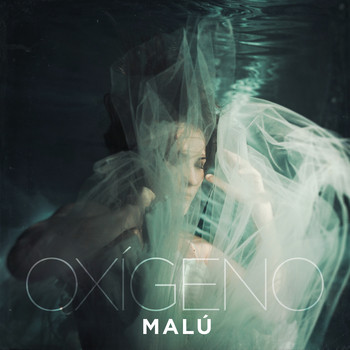
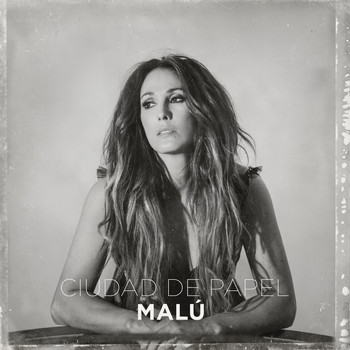
Re-entering the studio with producer, arranger, and engineer Julio Reyes Copello, she offered the pre-release single “Invisible,” a duet with Sanz, in September; the track ascended directly to number one. March of the next year brought the second chart-topper, “Ciudad de Papel,” followed in June by “Contradiccion” and another Sanz collaboration, “Llueve Alegría,” a tribute to the loss they both felt at the passing of Paco de Lucía—her uncle and his closest friend. Sony released the completed album Oxigeno in September. Seven of its eleven songs were co-written by Malú. The set opened at number one and received double-platinum certification within two weeks.


 Blanco y NegroGuerra Fria · 2010Guerra Fria3:54
 Ahora TuGuerra Fria · 2010Guerra Fria3:43
 Vuelvo a VerteDual · 2012Dual3:39
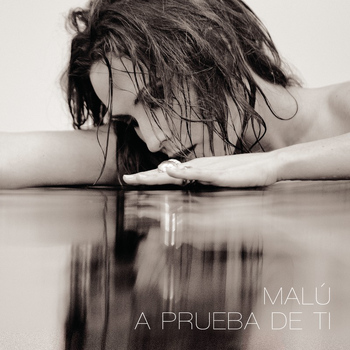
 A Prueba de TiA TODO SÍ · 2023A TODO SÍ3:12
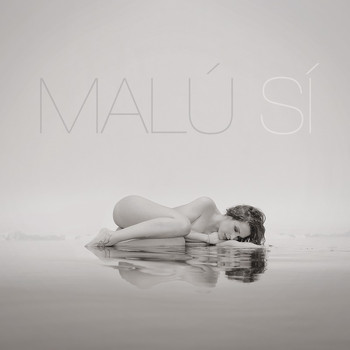 Deshazte de MiSi · 2013Si3:58
 AprendizGracias (1997-2007) · 2008Gracias (1997-2007)4:47
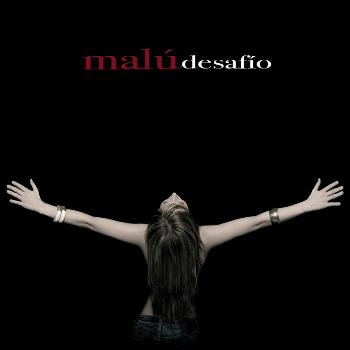 No Voy a CambiarDesafío · 2006Desafío3:43
 Is GoodbyeIs Goodbye · 2021Is Goodbye4:22
 DilesMalú: amor · 2025Malú: amor3:35
 Voy a Quemarlo TodoMalú: ruptura · 2025Malú: ruptura3:49
 Ni un SegundoMalú: resiliencia · 2025Malú: resiliencia3:36