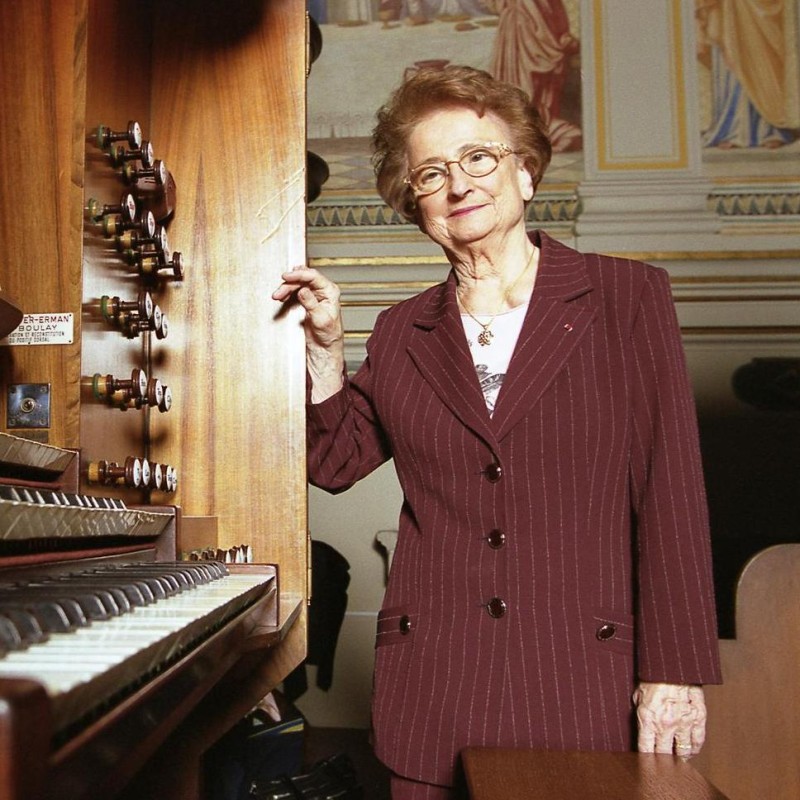
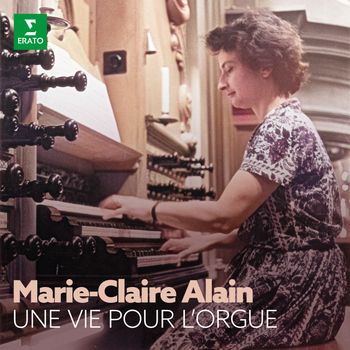
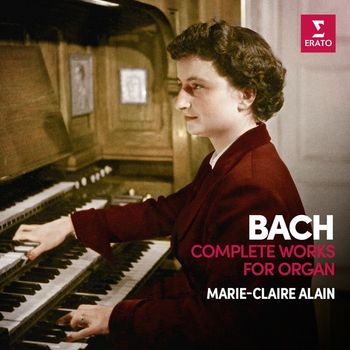
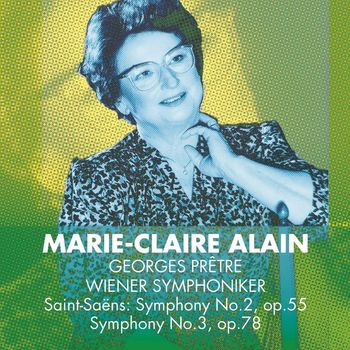
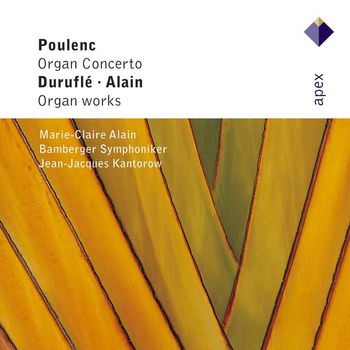
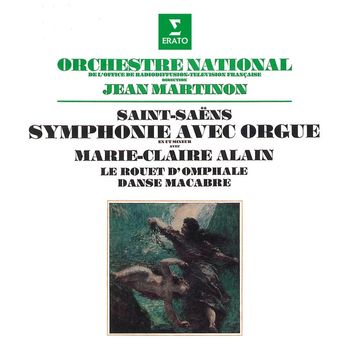
Marie-Claire Alain earned recognition as one of the foremost organists of her era, an influential instructor, and a leading authority on Baroque performance conventions. Born into a household steeped in music, she received her initial training from her father, Albert Alain, who served as organist at the church of St Germain-en-Laye. Her brother Jehan (1913-1940), fifteen years her senior, had already established himself as a gifted performer who substituted for their father when required and displayed early promise as a composer. Her other sibling, Olivier (b. 1918), eight years older, likewise revealed emerging abilities at the time.
Jehan’s death in combat shortly after the outbreak of World War II struck the family hard, while the conflict itself postponed the formal studies of both Olivier and Marie-Claire. She entered the Paris Conservatoire in 1944, where she pursued harmony under Durufflé, counterpoint with Pié-Caussade, and organ with Marcel Dupré. Four first prizes marked her time there. Following graduation she accumulated further distinctions in international contests, among them first place at the Geneva International Competition and the Bach Prize awarded by the Amis de l’Orgue in Paris.
Her debut recital took place at St Merri in Paris. Critics praised her rigorous scholarship and commitment to historical accuracy; she immersed herself in questions of ornamentation and interpretive detail, earning acclaim as a specialist in the works of Bach and earlier masters. When choosing repertoire for a given venue she matched composers to the character of the instrument, turning to Schnittger or Marcussen organs for Bach and to instruments by Cliquot or comparable builders when presenting Couperin. The city of Lübeck honored these contributions to early German repertoire with its Buxtehude Prize.
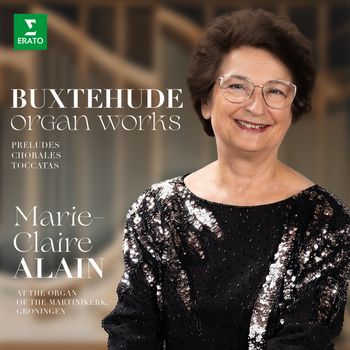
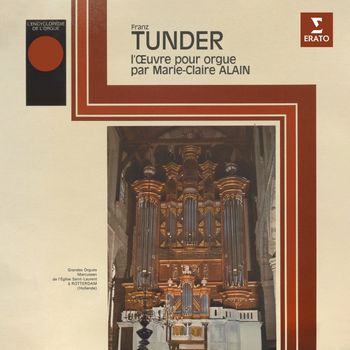
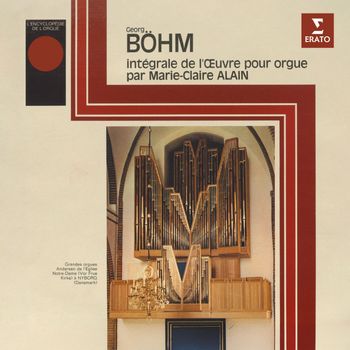
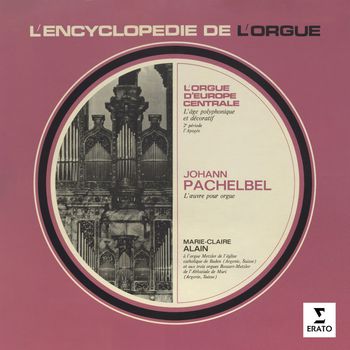
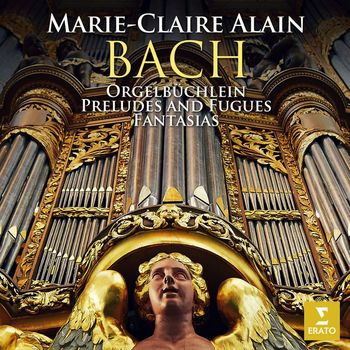
She also championed later composers, regularly performing music by Franz Liszt, Olivier Messiaen, and her brother Jehan, and she committed to disc the organ concertos of C.P.E. Bach, Haydn, Mozart, Poulenc, Widor, and Vierne. In addition to an extensive touring schedule she remained sought after as a pedagogue and lecturer. Throughout her career she recorded exclusively for the French label Erato, issuing well over two hundred discs that encompassed the complete organ works of J.S. Bach, Buxtehude, Bruhns, Couperin, de Grigny, Pachelbel, Mendelssohn, and César Franck. These efforts brought her more than fifteen Grands Prix du Disque. She was named a Commander of the Légion d’Honneur and a Commander of the Ordre National du Mérite.