Switzerland's Messiah ranked among those stubbornly unmarketable heavy metal acts whose lasting impact would greatly outstrip the modest commercial returns earned during their active years. The band achieved only fleeting recognition, above all inside the Eastern Bloc, before receding into enduring cult renown.
R.K. "Tschosi" Wilhelm Kuhne on vocals and bass, guitarist R.B. "Brogi" Remo Broggi, and drummer R.H. "Jazzi" Heer assembled the group in 1984. Like fellow early European thrash ensembles Hellhammer and Kreator, Messiah unintentionally contributed to the emergence of death and black metal simply by pursuing aggressive, mosh-oriented songwriting. Their 1986 debut, the cult favorite Hymn to Abaramelyn, concealed surprisingly sophisticated musicianship beneath rudimentary production while fusing those thrash roots with guttural death-metal vocals, black metal's satanic imagery, and Brogi's corpse paint. The following year's Extreme Cold Weather retained the same approach yet did little to expand their audience or, in some listeners' view, surpass the first album.
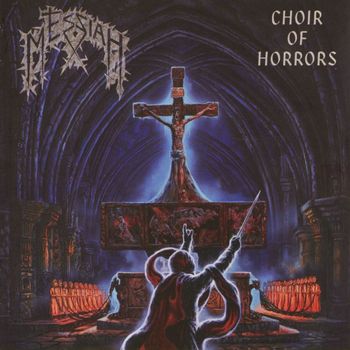
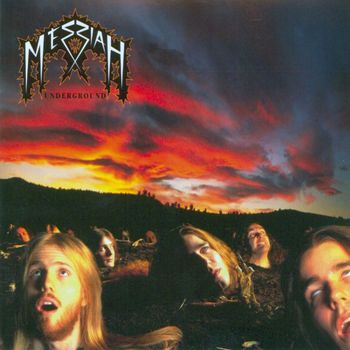
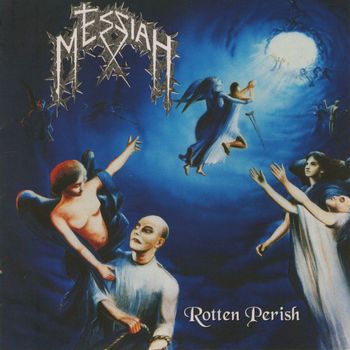
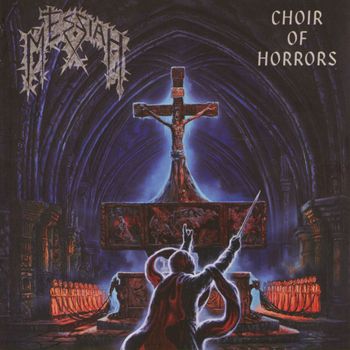
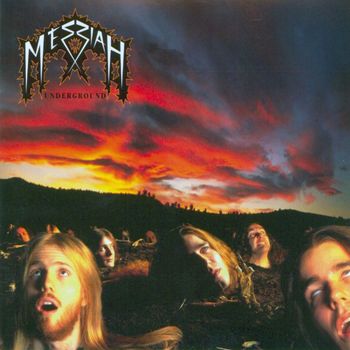
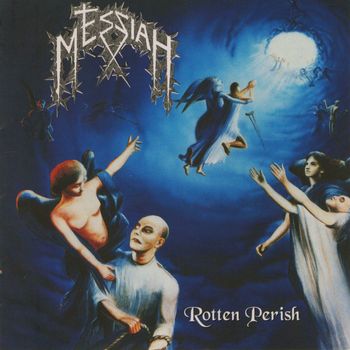
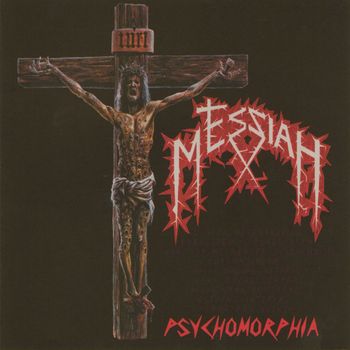
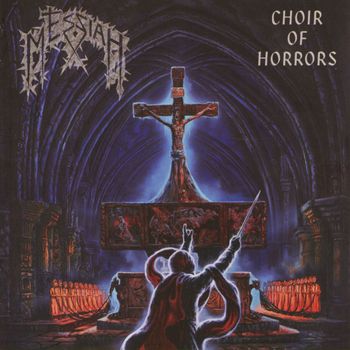
Messiah nevertheless persisted with live shows and further recordings, experiencing periodic lineup shifts that included longtime drummer Steve Karrer as well as vocalists Andy Kaina and Christofer Johnsson, the latter of whom later performed with Carbonized and Therion. The 1990s yielded the 1991 releases Psychomorphia E.P. and Choir of Horrors L.P., 1992's Rotten Perish L.P., and 1994's The Ballad of Jesus E.P. together with Underground L.P. After that point the band dissolved, though independent labels around the world have continued to reissue the early albums at regular intervals. Those recordings remain frequently referenced by subsequent artists and devotees for their modest yet meaningful contribution to metal's evolution.