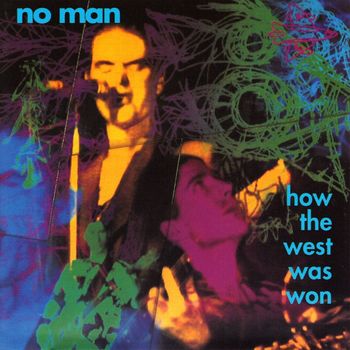
How the West Was Won
1991
How the West Was Won
Play
 Broke A StringWhamon Express · 1990Whamon Express4:03(astronomy Engine)How the West Was Won · 1991How the West Was Won1:49Call on MeHow the West Was Won · 1991How the West Was Won3:28No WarningHow the West Was Won · 1991How the West Was Won5:05It's Just a DayHow the West Was Won · 1991How the West Was Won2:53Grabbed StarHow the West Was Won · 1991How the West Was Won5:56Wounded WorldHow the West Was Won · 1991How the West Was Won3:15The Set-UpHow the West Was Won · 1991How the West Was Won1:59Here We GoHow the West Was Won · 1991How the West Was Won2:15Reach for the SkyHow the West Was Won · 1991How the West Was Won5:55How the West Was WonHow the West Was Won · 1991How the West Was Won2:33BoomerangHow the West Was Won · 1991How the West Was Won4:03Cartoon, Cartoon (Where's the ExiHow the West Was Won · 1991How the West Was Won3:49
 Can't Kill Us AllCan't Kill Us All · 2023Can't Kill Us All3:37Floated / OverflowWhamon Express · 1990Whamon Express3:59Goodbye PaperWhamon Express · 1990Whamon Express3:06Save MeWhamon Express · 1990Whamon Express4:07(I Live On) Heaven StreetWhamon Express · 1990Whamon Express2:45DiamondbackWhamon Express · 1990Whamon Express4:13Not EnoughWhamon Express · 1990Whamon Express4:00

Continue below to start listening.