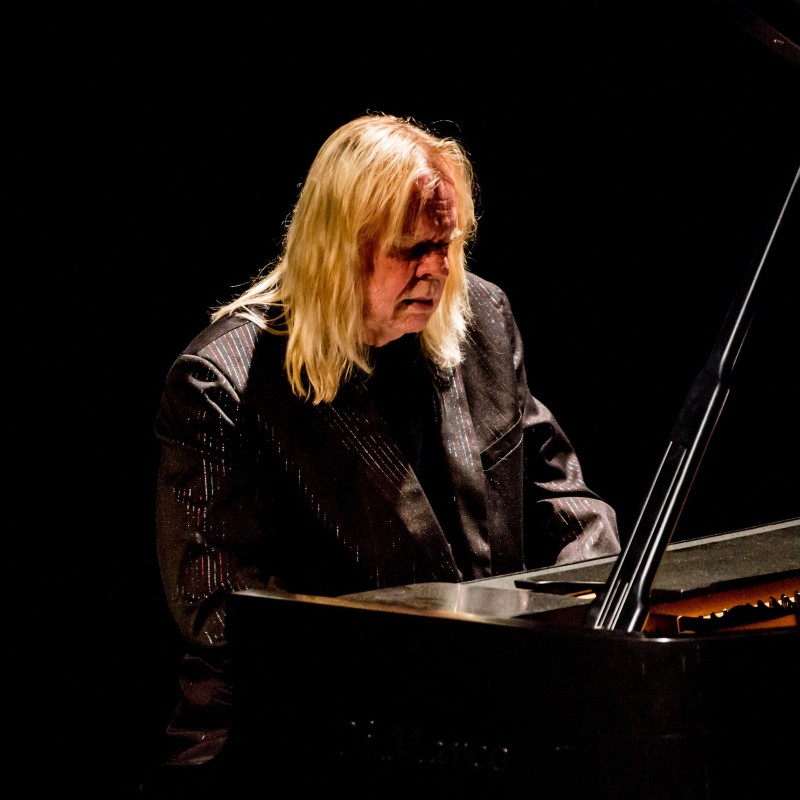
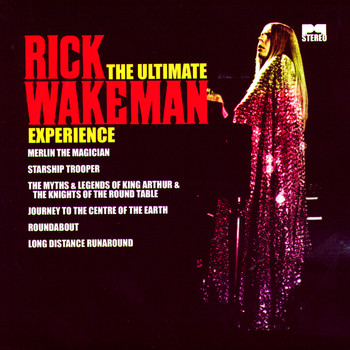
One of the foremost keyboard figures to emerge from the progressive rock movement, Rick Wakeman first built experience as a London studio player toward the close of the 1960s and then achieved widespread recognition after entering the ranks of Yes in 1971. He departed the ensemble in 1973 to focus on his expanding solo projects, and over the ensuing years he issued three expansive classical-rock statements that achieved strong commercial results: The Six Wives of Henry VIII, Journey to the Centre of the Earth, and The Myths and Legends of King Arthur and the Knights of the Round Table. Wakeman rejoined Yes for a spell in the late 1970s, scored Ken Russell’s Lisztomania during the following decade, and collaborated with lyricist Tim Rice on a stage adaptation of George Orwell’s 1984. He later issued a sequence of well-received new-age recordings, appeared with Yes on selected tours and albums, and sustained an extensive schedule that encompassed rock, new-age, sacred, and solo-piano material. In the present century, Preludes to a Century from 2000 and Piano Portraits from 2017 brought fresh critical attention and renewed chart visibility, most notably on the prog-oriented 2020 release The Red Planet.
Wakeman entered the world in Perivale, Middlesex, England, in 1949. An early fascination with music led him to begin classical-piano studies at the age of seven. At fourteen he entered the local group Atlantic Blues and left school to attend the Royal College of Music, still envisioning a future as a concert pianist; the college ultimately asked him to leave once it became evident that club performances interested him more than formal technique.
By his late teens Wakeman had become a sought-after session musician, contributing to discs by Black Sabbath, Brotherhood of Man, and Edison Lighthouse. Toward the end of the 1960s his name also surfaced on releases by Al Stewart and David Bowie; sessions with the folk-rock outfit the Strawbs prompted him to join that band in 1970. After two albums with the Strawbs he moved to Yes, a post-psychedelic hard-rock unit already noticed for its initial three recordings. Wakeman proved instrumental in shaping the group’s fourth album, Fragile, supplying a dense, fluid texture through electric and acoustic pianos, synthesizers, and Mellotrons. Fragile succeeded commercially, propelled by the hit single “Roundabout,” and Wakeman’s profile rose sharply.
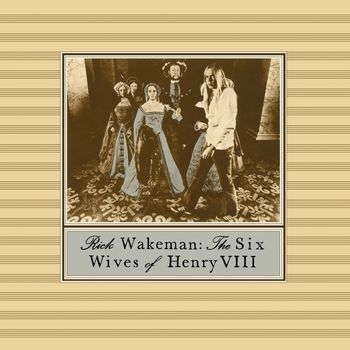
Yes’s subsequent album, Close to the Edge, further broadened his reach, with his keyboards featured throughout the set. While that record was being made in 1972, Wakeman also completed his debut solo effort, the instrumental The Six Wives of Henry VIII, which offered musical portraits of the six royal spouses. Issued on A&M early in 1973, the album charted respectably. Audience reaction to Yes’s 1974 release Tales from Topographic Oceans proved uneven, and reviewers assailed it; Wakeman left before the accompanying tour.
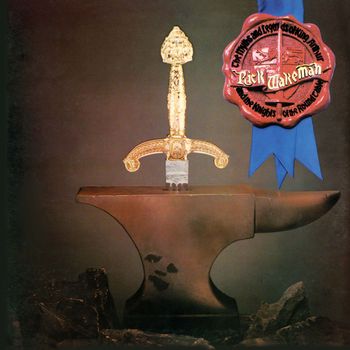
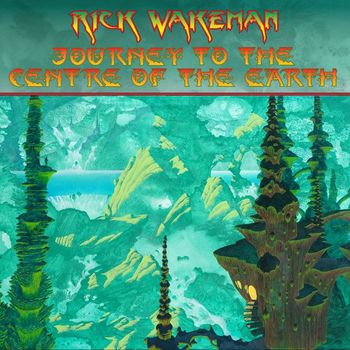
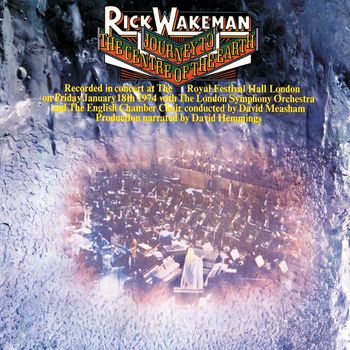
His next solo album, Journey to the Center of the Earth, drew on Jules Verne and employed a rock band, narrator David Hemmings, and full orchestral and choral forces; it met with strong public enthusiasm in both the United States and Britain, where it reached the top of the charts. In 1975 The Myths and Legends of King Arthur and the Knights of the Round Table received an elaborate premiere at Wembley’s Empire Pool, though staging the production on ice proved costly. Around the same time Wakeman began film scoring with the music for Ken Russell’s Lisztomania, which enjoyed modest success.
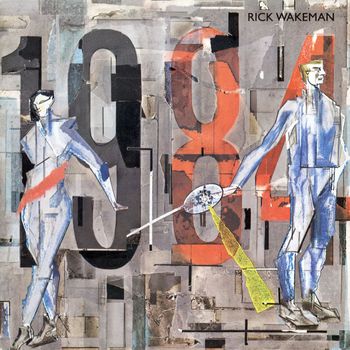
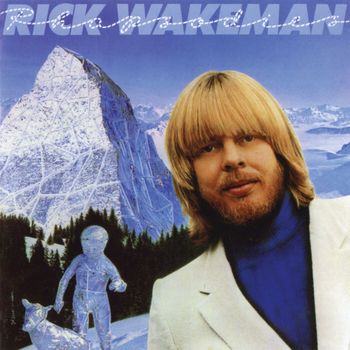
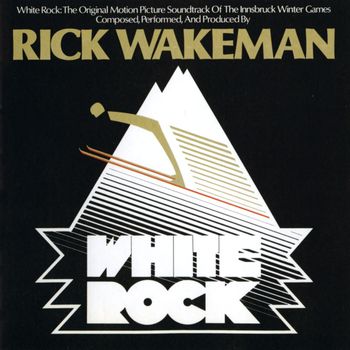
Wakeman rejoined Yes in 1977 and maintained intermittent recording and touring ties with the group across the next three decades. His solo output on A&M continued into the late 1970s with Criminal Record and Rhapsodies, both of which sold moderately. His most publicized episode of the period involved reports that he had helped engineer the Sex Pistols’ swift departure from A&M after their signing. Such matters did little to alienate his audience, which grew further through his work with Tim Rice on the musical version of 1984 and through film scores that included music for documentaries on the 1976 Winter Olympics and the 1982 soccer World Cup. He also became a familiar presence on Britain’s Channel 4.
Wakeman’s standing endured the 1980s more robustly than that of many progressive-rock contemporaries, as he continued issuing albums on his own label. In 1988 he joined three former Yes colleagues to form Anderson, Bruford, Wakeman, Howe, which released one album in 1989; that configuration later combined with the remaining members of Yes to produce the 1991 reunion set Union.
Throughout the 1990s Wakeman stayed active, issuing solo-piano collections such as Heritage Suite (1993) and The Piano Album (1995) while composing scores for films including Bullet to Beijing and Midnight in St. Petersburg. He also returned briefly to Yes for the Keys to Ascension album before departing prior to touring. After issuing the 1999 sequel Return to the Centre of the Earth, he embarked on a fifth tenure with Yes that encompassed several large-scale tours, among them the 35th-anniversary outing in 2004.
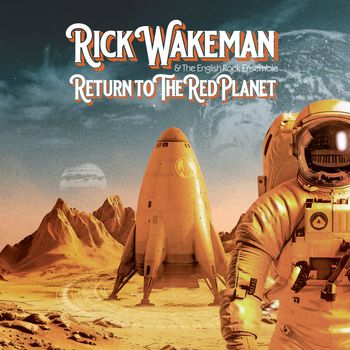
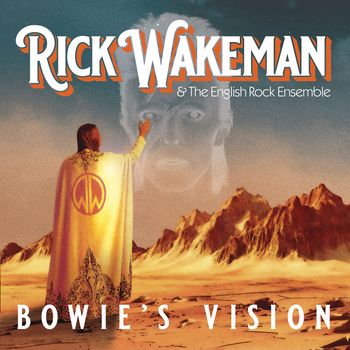
His solo work remained steady through the decade. By 2008, when Yes resumed touring, Wakeman stepped aside and his son Oliver Wakeman took over the keyboard chair. He subsequently developed his own retrospective show, touring Rick Wakeman’s Grumpy Old Picture Show that year and marking the 500th anniversary of Henry VIII’s coronation with two live performances of The Six Wives of Henry VIII at Hampton Court Palace in 2009. A 40th-anniversary tour of Journey to the Centre of the Earth followed in 2014. In 2016 Wakeman reunited with former Yes associates Trevor Rabin and Jon Anderson as ARW for the tour An Evening of Yes Music and More. The next year, following his induction into the Rock and Roll Hall of Fame with his Yes bandmates, he released the solo-piano album Piano Portraits, presenting instrumental readings of favored pop songs such as the Beatles’ “Help!” and “Eleanor Rigby” alongside David Bowie’s “Life on Mars” and “Space Oddity.” The 2018 sequel Piano Odyssey incorporated additional Beatles and Bowie material plus Queen’s “Bohemian Rhapsody” and Paul Simon’s “The Boxer.” The year after that Wakeman issued his second holiday collection, Christmas Portraits, and closed the year with his “Grumpy Old Christmas Show” tour. In 2020 he revisited his progressive-rock origins on the LP The Red Planet, which recalled earlier works such as The Six Wives of Henry VIII and Criminal Record. Gastank Highlights, a compilation of highlights from the British television variety program he hosted, appeared in 2022.