Only in It 4 the Money
2025

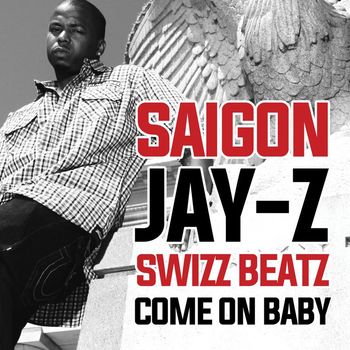
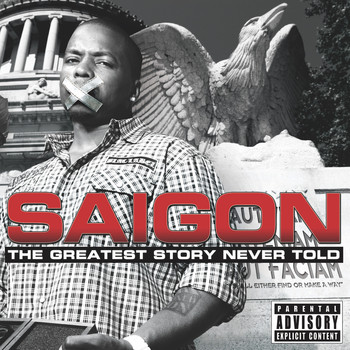 Come On BabyEThe Greatest Story Never Told · 2011The Greatest Story Never Told3:43
 It's ColdEThe Bonus Story · 2011The Bonus Story3:54Bring Me Down (Swollen Mix)EThe Bonus Story · 2011The Bonus Story4:27It's AlrightEThe Greatest Story Never Told · 2011The Greatest Story Never Told5:59Bring Me Down, Pt.2EThe Greatest Story Never Told · 2011The Greatest Story Never Told4:46
 Pain in My Life (feat. Trey Songz)EPain In My Life · 2006Pain In My Life4:09Bring Me Down, Pt. 1EThe Bonus Story · 2011The Bonus Story3:15
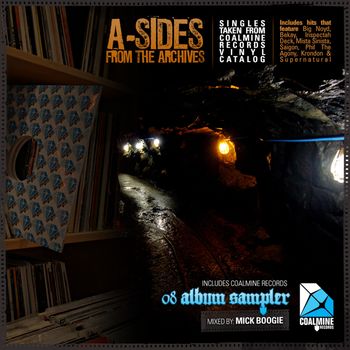 The RawEA Sides From the Archives · 2008A Sides From the Archives3:43The InvitationEThe Greatest Story Never Told · 2011The Greatest Story Never Told4:36ClapEThe Greatest Story Never Told · 2011The Greatest Story Never Told6:30The Greatest Story Never ToldEThe Greatest Story Never Told · 2011The Greatest Story Never Told3:59EnemiesEThe Greatest Story Never Told · 2011The Greatest Story Never Told3:41Bring Me Down, Pt.3EThe Bonus Story · 2011The Bonus Story3:27What the Lovers DoEThe Greatest Story Never Told · 2011The Greatest Story Never Told4:15Believe ItEThe Greatest Story Never Told · 2011The Greatest Story Never Told6:01FriendsEThe Greatest Story Never Told · 2011The Greatest Story Never Told1:50Too LongEThe Greatest Story Never Told · 2011The Greatest Story Never Told4:11Oh Yeah (Our Babies)EThe Greatest Story Never Told · 2011The Greatest Story Never Told4:14I Want It AllEThe Bonus Story · 2011The Bonus Story3:40Give It To MeEThe Greatest Story Never Told · 2011The Greatest Story Never Told5:17







Continue below to start listening.