Trio Mocoto
Artist

Trio Mocoto

Genre: International, Brazilian
Origin: Brazil
Trio Mocotó originated in 1968 when Fritz Escovão, Joãozinho Parahyba, and Nereu Gargalo began working as the house rhythm section at São Paulo’s Jogral nightclub. Their steady support for visiting performers such as Clementina de Jesus, Nelson Cavaquinho, and Cartola quickly drew attention, and the same venue hosted international visitors including Duke Ellington, Oscar Peterson, and Earl Hines. Frequent appearances by Jorge Ben, later known as Jorge Ben Jor, led the three musicians to become his regular backing unit. That partnership produced the hybrid samba-rock sound Ben had been seeking, and the trio appears on nearly every track of his 1969 Philips album Jorge Ben.

When they joined Ben for the performance of “Charles Anjo 45” at the IV Festival Internacional da Canção, the group adopted the name Mocotó, a slang term for women’s legs; the politically charged number provoked loud disapproval inside Maracanãzinho stadium. Another Ben composition, “Eu Quero Mocotó,” also dedicated to that theme, was presented at the same festival by Erlon Chaves and Banda Veneno with Ben and the trio sitting in.

During the early 1970s the musicians remained in constant demand. Their single “Coqueiro Verde,” written by Roberto Carlos and Erasmo Carlos, reached the charts, after which they traveled to Cannes for Ben’s MIDEM showcase that opened a European tour. A live recording made in Japan stayed unreleased in Brazil for years. Returning home, they supported Ben and Toquinho on “Que Maravilha,” then joined Ben for another international run. Toquinho and Vinícius de Moraes next enlisted them for studio dates and for the Encontro production, which featured Marília Medalha and toured Brazilian universities before continuing on to Mexico.

The group’s debut album, Muita Zorra, appeared on Philips in 1971; two further LPs followed on RGE in 1973 and in 1975. Rising disco popularity reduced opportunities for live bands, and the trio eventually disbanded. In 2000 they reconvened after twenty-four years for a Jô Soares television appearance marking the group’s thirtieth anniversary. Fritz Escovão died on October 1, 2024, at the age of 81.

Top Songs

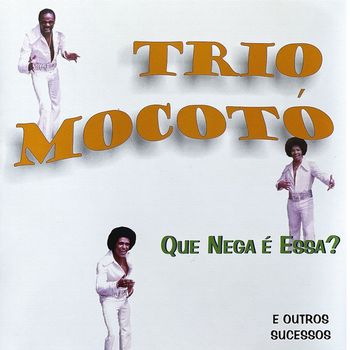
  1. Que Nega É Essa?A RosaQue Nega É Essa? · 2021Que Nega É Essa?3:53
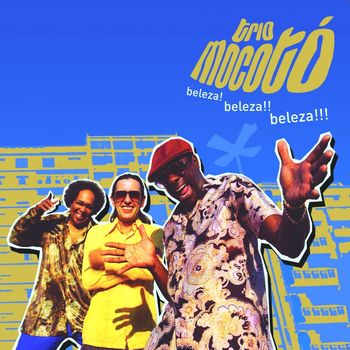
  2. Beleza Beleza BelezaChiclete com BananaBeleza Beleza Beleza · 2005Beleza Beleza Beleza4:46
  3. Beleza Beleza BelezaMarinellaBeleza Beleza Beleza · 2005Beleza Beleza Beleza4:02
  4. Beleza Beleza BelezaCapcaloeiBeleza Beleza Beleza · 2005Beleza Beleza Beleza3:54
  5. Beleza Beleza BelezaOnde Anda o Meu AmorBeleza Beleza Beleza · 2005Beleza Beleza Beleza4:07
  6. Beleza Beleza BelezaReplayBeleza Beleza Beleza · 2005Beleza Beleza Beleza4:21
  7. Beleza Beleza BelezaZiriguidumBeleza Beleza Beleza · 2005Beleza Beleza Beleza4:23
  8. Beleza Beleza BelezaDingue Li BangueBeleza Beleza Beleza · 2005Beleza Beleza Beleza3:17
  9. Beleza Beleza BelezaEu Também Quero MocotóBeleza Beleza Beleza · 2005Beleza Beleza Beleza4:52
  10. Que Nega É Essa?Não AdiantaQue Nega É Essa? · 2021Que Nega É Essa?4:06
  11. Que Nega É Essa?O Meu ViolãoQue Nega É Essa? · 2021Que Nega É Essa?3:29
  12. Beleza Beleza BelezaLírio Para XangôBeleza Beleza Beleza · 2005Beleza Beleza Beleza6:11
  13. Que Nega É Essa?Xuxu MelãoQue Nega É Essa? · 2021Que Nega É Essa?3:19
  14. Que Nega É Essa?DocaQue Nega É Essa? · 2021Que Nega É Essa?4:00
  15. Que Nega É Essa?Toda TardeQue Nega É Essa? · 2021Que Nega É Essa?3:30
  16. Que Nega É Essa?Sossega MalandroQue Nega É Essa? · 2021Que Nega É Essa?3:11
  17. Que Nega É Essa?DilêQue Nega É Essa? · 2021Que Nega É Essa?6:47
  18. Que Nega É Essa?Onde Anda VocêQue Nega É Essa? · 2021Que Nega É Essa?2:51
  19. Que Nega É Essa?Que Nega é EssaQue Nega É Essa? · 2021Que Nega É Essa?5:12
  20. Os Orixás RemixOs Orixás (Banana Gold Remix)Os Orixás Remix · 2024Os Orixás Remix5:45
Albums

Singles & EPs