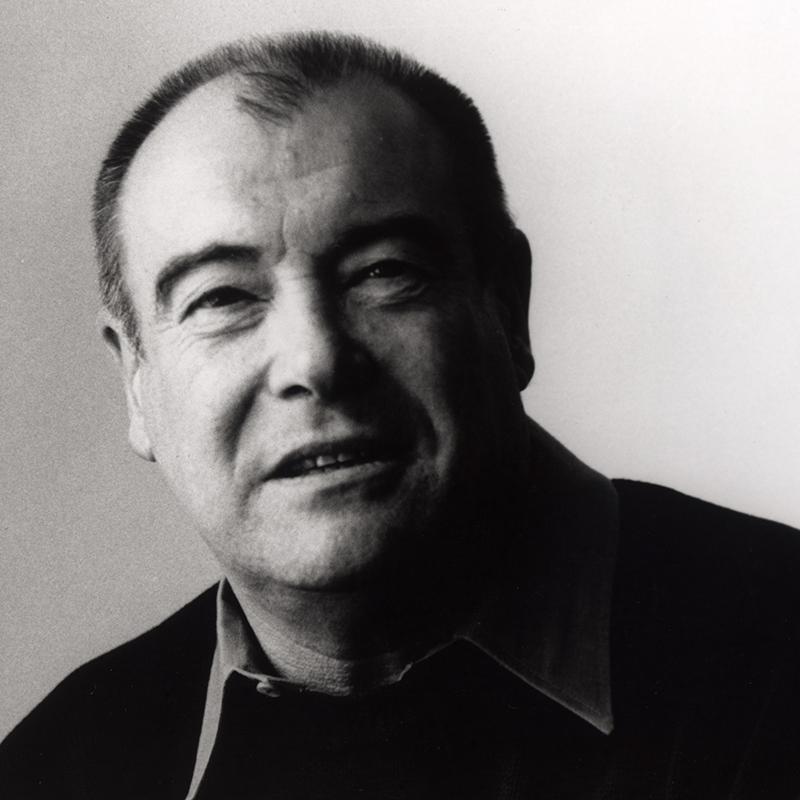
Vernon Handley ranked among England’s most active and extensively documented conductors during the final decades of the twentieth century. He came to prominence in the 1970s, stepping into the role previously occupied by Sir Adrian Boult and Sir John Barbirolli as the principal advocate for English music. In the manner of Boult, he concentrated his efforts on presenting and preserving symphonic works composed in England, ranging from pieces already familiar to listeners to a substantial number that earlier conductors and audiences had passed over.
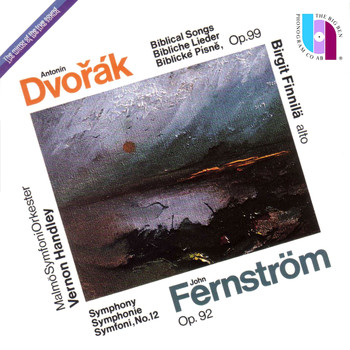
Vernon George Handley completed his training at Balliol College, Oxford, and at the Guildhall School of Music. His first conducting posts involved the Oxford University Musical Club and Union, the Tonbridge Philharmonic Society, and the orchestra of the Hatfield School of Music and Drama. In 1966 he was appointed professor of Orchestra and Conducting at the Royal College of Music, a position he retained for six years. During the 1960s and 1970s he appeared regularly as guest conductor with the Bournemouth Symphony Orchestra, the City of Birmingham Symphony Orchestra, the Royal Philharmonic, the BBC Welsh Orchestra, the BBC Northern Symphony, the London Philharmonic, and the Philharmonia Orchestra. He also served frequently as guest conductor on tours through Germany, Holland, Sweden, and France. Further appearances took place at the London Proms concerts. He held the title of Chief Guest Conductor of the Royal Liverpool Philharmonic Orchestra and occupied additional posts with several Australian orchestras.
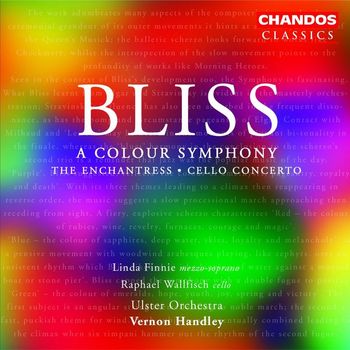
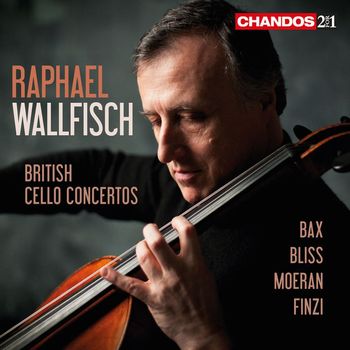
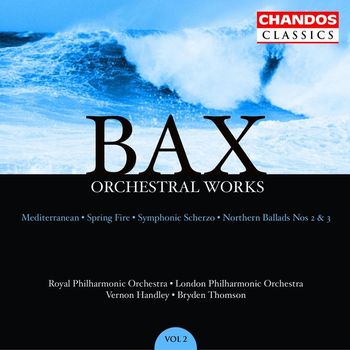
Handley’s chief legacy rests on the recordings he made for EMI and Chandos, which covered a wide range of important English music. For EMI he set down accounts of music by Delius and Elgar, most notably the nine Vaughan Williams symphonies; these releases remained steadily popular and served as worthy successors to the earlier versions conducted by Sir Adrian Boult. For Chandos he explored more specialized repertoire, including the six symphonies of Sir Charles Villier Stanford, which had received little attention since the first decade of the twentieth century, along with works by E.J. Moeran, Sir Arnold Bax, Sir Arthur Bliss, Peter Warlock, and Gerald Finzi, among many others. He also turned occasionally to mainstream European composers, directing Jill Gomez in her highly effective performance of Joseph Canteloube’s Songs of the Auvergne.
Arnold: Symphony No. 7, Op. 113: 2. Andante con moto - Sempre crescendo e accellerando - Molto vivace - LentoRoyal Philharmonic Orchestra, Vernon Handley13:50