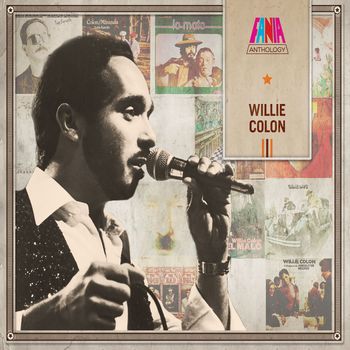
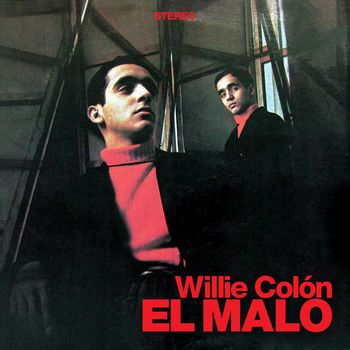
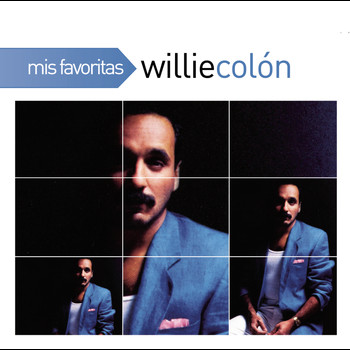
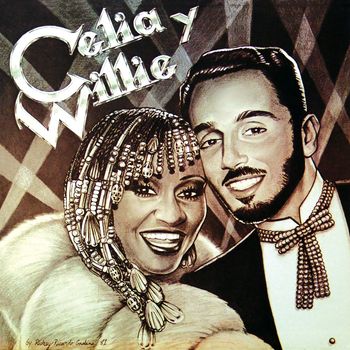
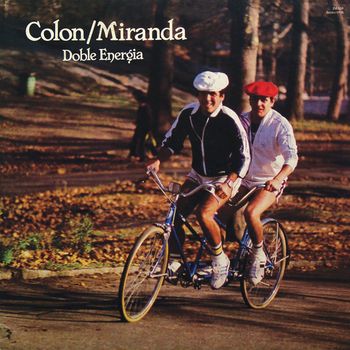
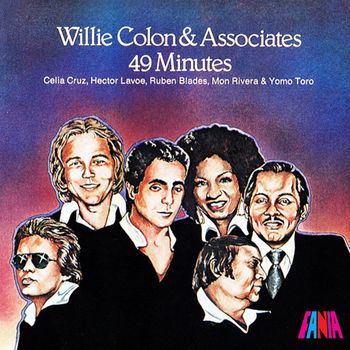
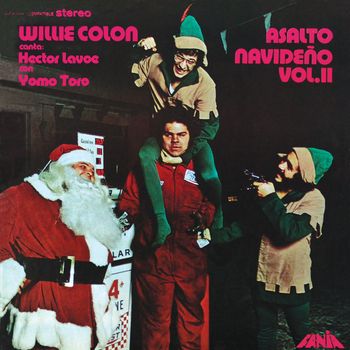
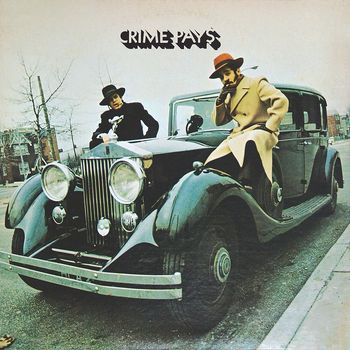
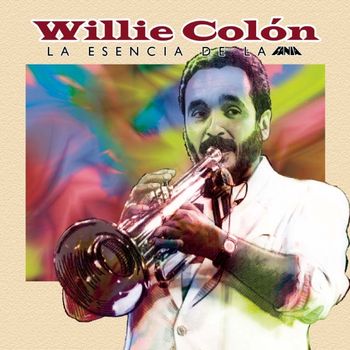
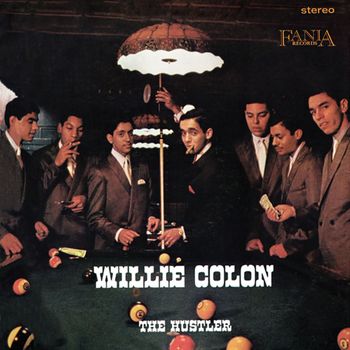
Trombonist, composer, and bandleader Willie Colón stands among the foundational figures in Latin American music while maintaining a longstanding role as a social and political activist. His debut release, El Malo, helped introduce the so-called New York Sound that revived widespread attention to Latin music in the 1970s, even though the project initially drew detractors. Colón played a decisive part in shaping the trajectories of Hector Lavoe, who performed as his lead vocalist from the late 1960s until the mid-1970s and thereby established a lasting model for New York salsa, as well as Rubén Blades and Celia Cruz. He also served as producer for Ismael Miranda, Sophy, and Soledad Bravo. Alongside eleven Grammy nominations and a single Grammy win, Colón earned a CHUBB fellowship from Yale University, the institution’s highest honor. The Latin Academy of Recording Arts and Sciences later presented him with its Lifetime Achievement Grammy Award. Actor John Ortiz depicted him in the Hector Lavoe biopic El Cantante, which featured Marc Anthony and Jennifer Lopez. Colón delivered his final Fania project, Legal Alien: Top Secrets/Altos Secretos, in 2006; two years afterward his first Sonographica outing, El Malo, Vol. 2: Prisioneros del Mambo, arrived.
William Anthony Colón Román entered the world in New York’s South Bronx to parents born in the United States yet of Puerto Rican lineage, making him a lifelong Nuyorican. Although music surrounded him from childhood, his first structured lessons centered on trumpet at age twelve before he shifted to trombone at fourteen. He entered the studio for the first time in 1967 at fifteen on Al Santiago’s Futura imprint, only for the label to close shortly thereafter. Greater stability followed once he joined Johnny Pacheco’s Fania roster; when Pacheco’s scheduled singer missed the initial session, the label head recommended Hector Lavoe as substitute. The pairing quickly yielded results, as “Jazzy” and “I Wish I Had a Watermelon,” drawn from El Malo and Guisando respectively, achieved hit status. Lavoe stayed integral to the group until the mid-1970s, when escalating substance issues led to missed or delayed performances. Although the formal alliance concluded in 1975, the two maintained occasional joint work, culminating in Colón’s production of Lavoe’s final album, Strikes Back, issued in 1987.
During 1975 Colón divided time between leading the Latin Jazz All-Stars and pursuing studies in music theory, composition, and orchestration, knowledge that soon proved advantageous. In 1978 a Latin New York readers’ poll named him Musician, Producer, and Trombone Player of the Year. That same year his adaptation of a Ghanaian children’s song, “Che Che Cole,” was incorporated by Ntozake Shange into the stage work For Colored Girls Who Have Considered Suicide When the Rainbow Is Enuf. Three years later the same publication again honored him as Musician of the Year and designated his album Fantasmas Album of the Year. Further recognition arrived when Canciones del Solar de los Aburridos captured a Grammy in 1982.
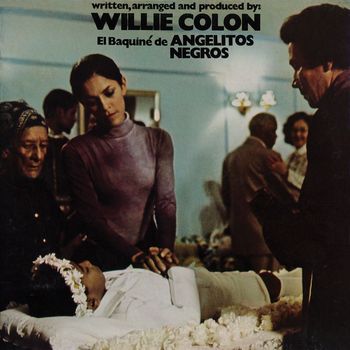
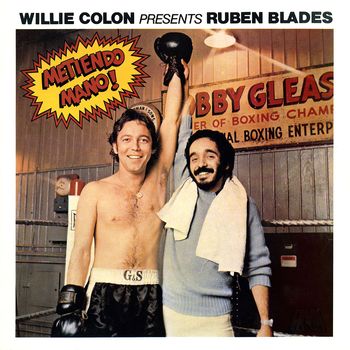
Although Colón and Blades first crossed paths backstage at a 1969 Panama concert, their artistic partnership did not begin until six years afterward. While assembling The Good, the Bad, the Ugly, Colón selected Blades’ composition “El Cazanguero,” which drew on the singer’s experiences as a law student inside a Panamanian prison, and invited him to perform the vocal. The session proved so effective that Blades joined Colón’s ensemble full-time in place of Lavoe. Their 1978 album Siembra became Fania’s highest-selling title. Success notwithstanding, Blades repeatedly clashed with label president Jerry Mascucci over compensation. Colón issued two solo efforts, El Baquine de Angelitos Negros in 1977 and Solo in 1979, while Blades released Maestra Vida in 1980, yet none matched the commercial impact of their shared recordings.
The duo resumed collaboration in 1981, with Blades contributing coro to Colón’s Fantasmas. The following year they produced the Grammy-winning Canciones del Solar de los Aburridos, which spawned the hit singles “Tiburon,” “Ligia Elena,” and “Te Estan Buscando.” Their association dissolved once more after completing the film The Last Fight, prompting a period of public discord that lasted until they shared a stage at San Juan’s Hiram Bithorn Stadium in March 1992. Although they reunited for Tras la Tormenta in 1995, each recorded his parts independently. A further joint appearance at the Hollywood Bowl in 1997 led to additional concerts together.
In the late 1980s Colón assembled a new ensemble, Legal Alien, composed of younger players. Under contract with Sony the group released Color Americano in 1990 and Honra y Cultura in 1991.
Colón entered the 1992 race for the United States Congress and later pursued elected office again in 2001 as a candidate for New York City Public Advocate, finishing respectably though short of victory. He also acted for more than a decade as Mayor Michael Bloomberg’s advisor and liaison to the city’s Latin Media Entertainment Commission. During 2012 and 2013 he employed social media and additional channels to campaign against Venezuelan president Hugo Chávez and, after Chávez’s death, against successor Nicolás Maduro.
Colón assembled the all-star project Hecho en Puerto Rico in 1993, drawing on former Fania All-Stars members together with Papo Lucca and Bobby Valentin. After departing Sony due to insufficient promotional backing, he sustained an active schedule of stadium and concert-hall performances across Latin America while issuing Experiencia in 2004, The Player three years later, and El Malo, Vol. 2: Prisioneros del Mambo in 2008. Beginning in 2010, Fania and Get on Down undertook remastering and reissues of his key catalog titles. Billboard magazine listed him among the most influential Latin Artists of All Time in 2015. His autobiography, Barrio de Guapos (The Secret Life of Willie Colón), appeared in 2018, and he established the imprint Willie Colon Presents.